


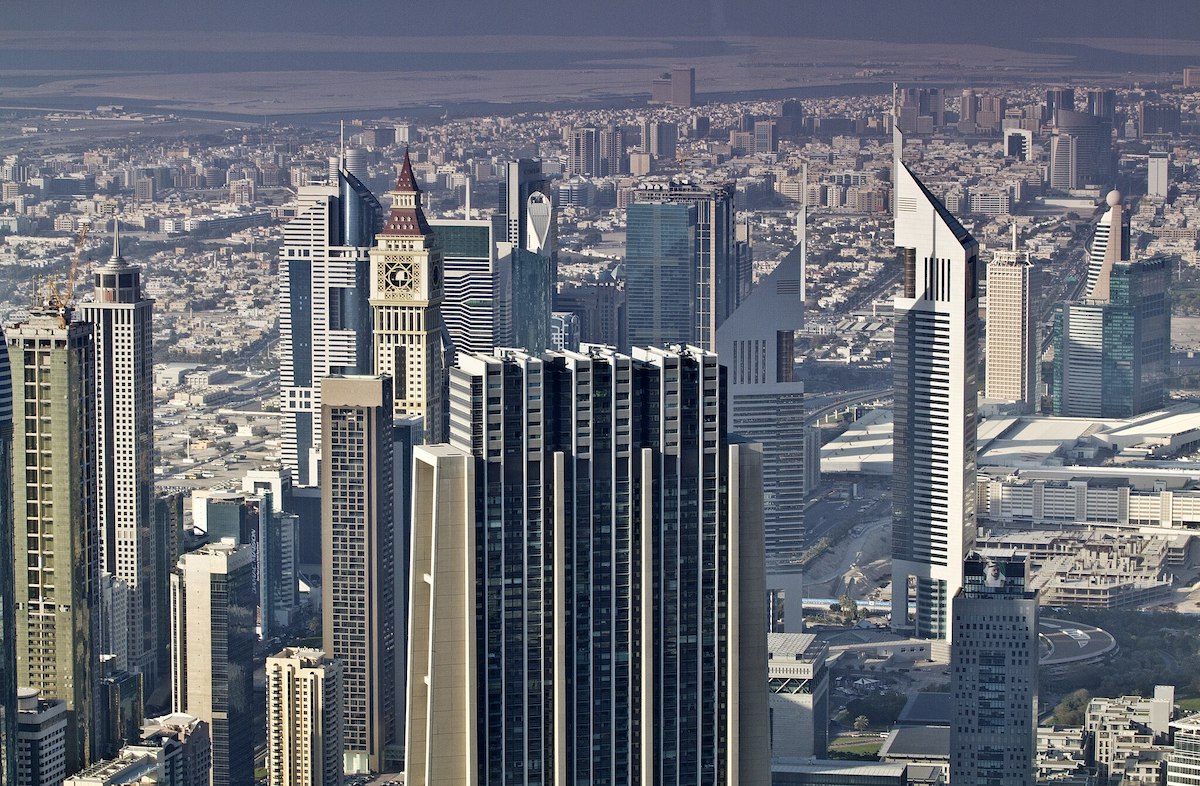
Dubai’s population at the end of 2024 reached 3,826,130, reflecting 8% growth compared to the fourth quarter of 2023. According to the Dubai Statistic Centre, Dubai’s population grew by over 169,000 in 2024.
This milestone underscores Dubai’s sustained appeal as a global hub for business, tourism and investment. This figure even excludes golden visa holders, whose final numbers are pending release but are projected to double from 2022 to 2023.
The Dubai Real Estate Market Report 2024, authored by Laura Adams, Secondary Sales Director at Provident Real Estate, highlights Dubai’s attractiveness to high-net-worth individuals (HNWIs) and professionals.
“Dubai’s rapid population growth and ambitious visions for the future highlight the city’s unmatched ability to attract global investors and residents.
“Our market report showcases how strategic planning and innovative infrastructure projects are driving demand and solidifying Dubai’s position as a world-class destination for real estate investment.”
Laura Adams, Secondary Sales Director, Provident Real Estate
It is also predicted that by 2040 Dubai will have a bigger population than Sydney as the total number of residents is expected to reach 7.8m.
It comes, as almost $207bn in real estate was traded last year, according to Dubai Land Department data.
Dubai’s real estate sector recorded a record total of 2.78m procedures in 2024.
“The exceptional results in 2024 reflect the deep strength and resilience of our economy, which continues to thrive in a rapidly changing global landscape. The leadership’s visionary goals outlined in the Dubai Economic Agenda D33 have helped raise the emirate’s position as an international hub for investment, trade, and innovation, and enhanced its global appeal as a lifestyle and investment destination, all of which have catalysed the real estate market.”
H.H. Sheikh Hamdan bin Mohammed bin Rashid Al Maktoum, Crown Prince of Dubai
The record number of procedures, which include both real estate transactions and rental agreements, represent a 17% increase compared to 2023.