


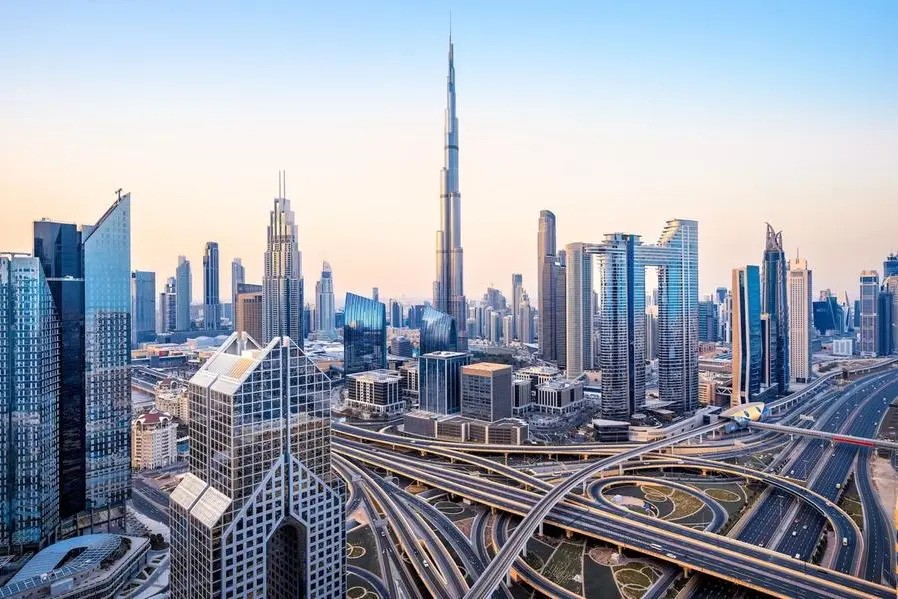
Colliers’ UAE Real Estate Market Report for Q1 2026 highlights a transition period for the market as it moves towards a more measured, mature phase – supported by strong fundamentals and ongoing infrastructure investment. Across the UAE, performance is increasingly shaped by asset quality, submarket dynamics and evolving investor and occupier behaviour.
Abu Dhabi’s real estate market is evolving toward a more balanced and sustainable growth trajectory. On the supply side, the residential sector maintained a steady delivery rhythm in Q1 2026, with approximately 1,200 units added, while a further 7,000 units are scheduled for completion by year-end.
Development activity also reached record levels, with 22 new projects added to the pipeline, including nine branded residential schemes.
In Q1 2026, the rental market transitioned toward a more measured environment, with citywide apartment averages rising 15% year-on-year, while mid-end developments exceeded 20%.
The residential villa segment recorded a marginal 1% quarterly increase and 6% annual growth. Notable yearly gains of 7% to 10% were sustained in high-quality communities on Yas Island, as well as in specific mid-quality developments such as Al Reef.
Toward the end of Q1, the total volume of rental contracts moderated, reflecting a more cautious ‘wait-and-see’ approach among market participants and a growing preference for adaptable lease structures.
Residential transaction activity in Abu Dhabi continued to accelerate in Q1 2026, with approximately 7,800 deals recorded, reflecting a 10% increase quarter-on-quarter and a 119% surge year-on-year. Average apartment and villa sales prices recorded quarterly growth of 4% and 2%, and annual increases of 32% and 21%.
Dubai’s real estate market is moving beyond rapid growth into a more mature phase, well-positioned to weather short-term volatility on the back of strong fundamentals and ongoing infrastructure investment.
On the supply side, new apartment deliveries exceeded the 10,000-unit threshold for the second consecutive month, while approximately 1,900 villas were delivered during Q1 2026. The development pipeline remains substantial, with an additional 65,000 apartments and 12,500 villas scheduled for delivery by year-end, although some deliveries are expected to extend into subsequent periods.
During Q1 2026, the rental market demonstrated a robust overall performance, with quarter-on-quarter (Q-o-Q) metrics maintaining a generally positive trajectory. Average apartment rents grew marginally by 2%, supported by sustained demand in the affordable housing segment.
While average villa rates remained stable throughout the quarter, the market showed a more nuanced performance at the community level, with tenants adopting a more value-driven approach.
The Dubai residential and commercial sales market maintained its growth trajectory throughout Q1 2026, though the period was characterised by a notable shift in sector-specific demand. Off-plan transaction volumes remained intrinsically linked to the frequency of project launches and subsequent registration timelines.
Activity for completed units across both apartments and villas declined quarterly, with the pace of contraction accelerating through March.
Despite community-level variations, average sales prices trended upward across all monitored asset classes and segments, including both off-plan and secondary markets. While these increases were marginal for the residential sector, office sales demonstrated standout growth.
Northern emirates show a shift from a commuter option to a destination of choice, blending affordability with more modern, community-focused living. New residential launches adjusted in Q1 2026, with approximately 5,200 units announced, a 60% decline compared to the highs of 2025. Sharjah recorded the highest number of newly launched units last quarter, with approximately 1,700, followed by Ras Al Khaimah, Ajman and Umm Al Quwain.
According to Colliers, the market saw a moderation in growth in Q1 2026 as the more pronounced expansion observed over the last couple of years began to normalise. Apartment rental rates in Sharjah and Ras Al Khaimah saw marginal increases of 1% to 2% quarter-on-quarter, while rents in Ajman, Fujairah and Umm Al Quwain remained stable.
Project deliveries showed strong initial momentum, with over 1,100 apartments and 320 villas completed across key masterplanned communities, including Aljada, Sharjah Sustainable City, and Al Zahia. While the 2026 delivery pipeline remains substantial at approximately 12,000 units, the pace of future handovers may be influenced by evolving market conditions and strategic phasing.
Al Ain’s property market continues to be shaped by steady, locally driven demand, supporting consistent performance across sectors. In Q1 2026, the market demonstrated a mixed performance, with average apartment and villa rental rates rising by 7% and 2% year-on-year.