

Talal M. Al Gaddah, CEO and Founder of the Keturah luxury brand, mentions developers must respond by selecting materials and systems designed to manage the heat, humidity and air quality challenges that Gulf residents live with year-round.
His comments follow new climate research published by scientists at the European Centre for Medium-Range Weather Forecasts. They found a sharp intensification of heat stress globally since the 1970s, with the Arabian Peninsula among the regions most affected. The study found heat stress – the leading cause of weather-related deaths – involves the build-up of body heat due to high temperatures, often combined with other factors such as high humidity.
Heat can hasten underlying cardiovascular, respiratory and mental health conditions, especially for vulnerable people, outdoor workers and urban residents. For further context, across the Arabian Peninsula, the ten warmest days of the year now feel up to 4°C hotter than in the 1970s, and further increases are projected as emissions continue to rise.
Inside homes, the main risks are moisture build-up, mold from condensation, and volatile organic compounds from conventional paints and finishes that intensify in enclosed, air-conditioned spaces.
“Outdoor temperatures are only part of the problem. How walls manage moisture, how air moves through a space, and the surfaces residents live with daily all determine whether a home genuinely protects the people inside it.”
Talal M. Al Gaddah, CEO and Founder, Keturah luxury brand
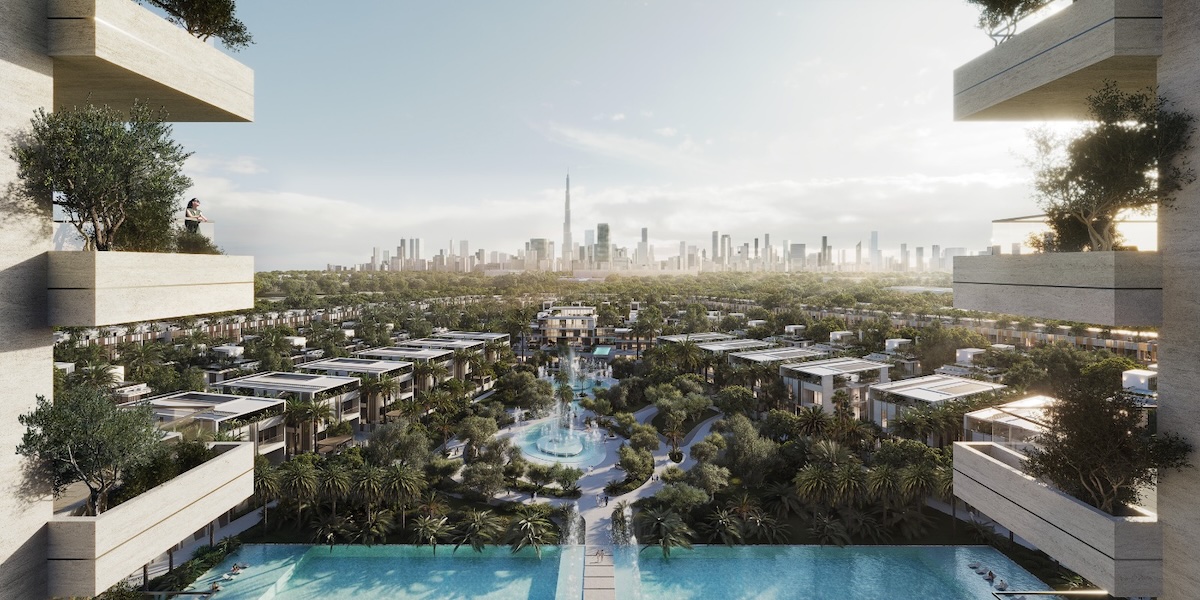
As awareness increases, air quality, material certifications and indoor environmental performance influence how luxury homes are evaluated, and Keturah’s two major Dubai developments have been designed in this manner. At Keturah Reserve, the AED 5.7bn luxury bio-living community, AED 200m has been invested in health-led construction, incorporating antimicrobial tiling, breathable wall systems and zero-VOC finishes chosen for the specific demands of the region’s climate.
The Ritz-Carlton Residences at Keturah Resort, on the shores of Dubai Creek adjacent to the Ras Al Khor Wildlife Sanctuary, applies the same principles across a development that combines branded residences, hospitality and a dedicated wellness centre.
“The next generation of luxury homes in this region will be defined not by how they look but by how well they perform for the people living in them. Buyers are sophisticated enough now to ask the right questions, and developers need to have the right answers.”
Talal M. Al Gaddah, CEO and Founder, Keturah luxury brand
Talal adds that health-led construction is a baseline standard that buyer expectations and the science now both demands. Saudi Arabia’s Vision 2030 and the UAE’s Dubai 2040 Urban Master Plan places an emphasis on sustainable and healthy urban development, giving the shift towards health-conscious construction a firm policy foundation across the region’s two largest real estate markets.